How to Do Roof Repair in Prince George Like a Professional Roofing Contractor
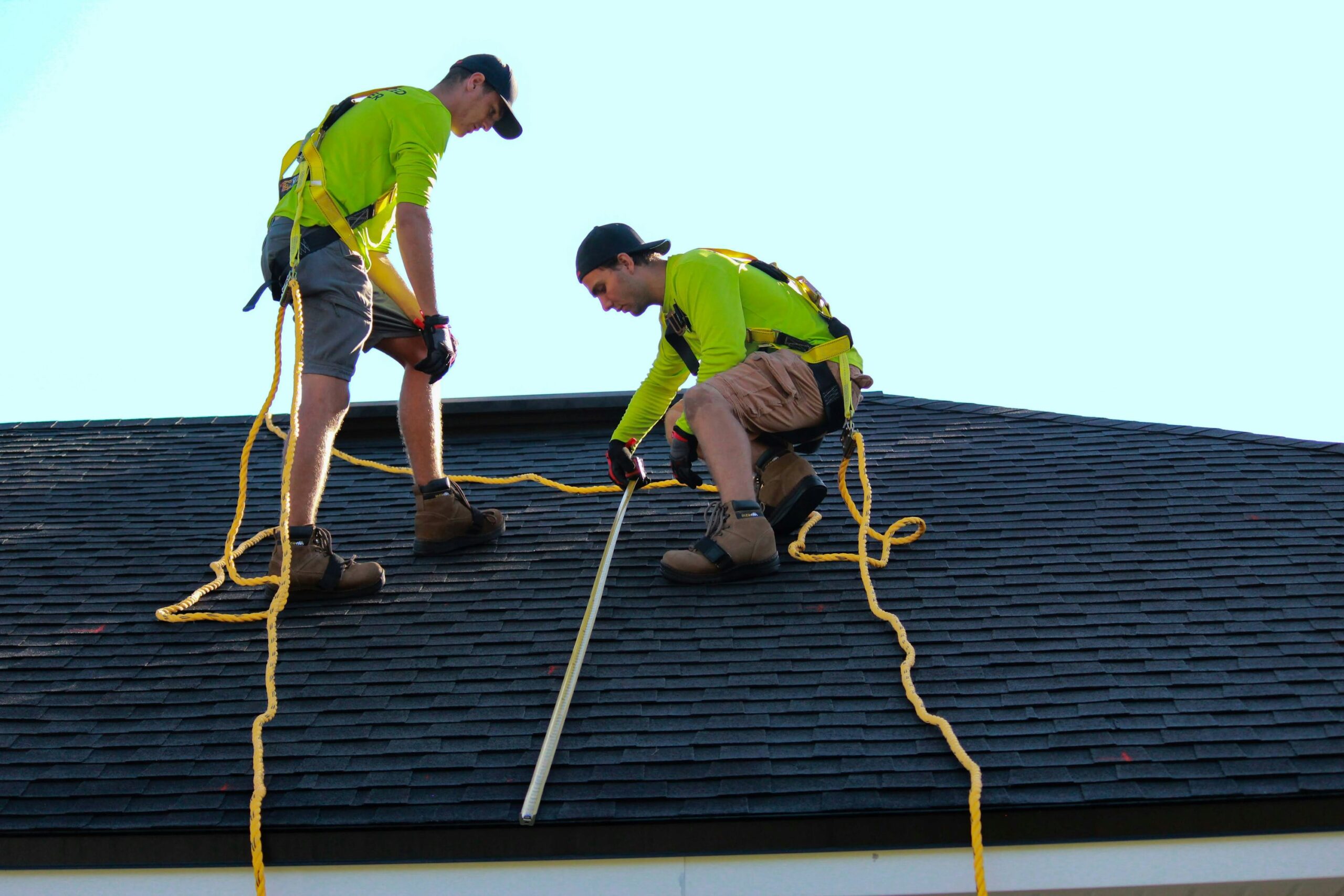
Shingling or roofing a house is a big job for any homeowner and needs great care. Still, a careful Do-It-Yourself homeowner can repair or roof their own house with some knowledge and the right equipment. Getting help from a roofing contractor in Prince George can also make the job safer and faster.
Tools You Need for Roof Work
To repair or replace a roof correctly and safely, you’ll need some simple tools: ladders, roof jacks, a hammer, a carpenter’s knife, chalk line, and if possible, a compressor or nail gun. These help with smoother and stronger roof installation.
Estimating Roofing Materials
Usually, roofs are measured in “squares,” where one square means 100 square feet. One square includes about eighty shingles. When you go to a hardware store, shingles come in bundles. Typically, three bundles make one square, though this can change slightly by shingle type.
Measure your roof (length × width) and divide by 100 to know how many squares you need. Multiply that number by three to get the number of shingle bundles. Always add 10–15% extra for safety, especially if your roof has hips or valleys.
You’ll also need drip edges, ice and water shields, asphalt paper, flashing, roofing nails, and hip and ridge vents. Measure the edges of your roof to know how much drip edge is needed. Use your total roof area to find out how much asphalt paper or shield you’ll need. This ensures your roof repair in Prince George lasts longer and stands strong in all seasons.
Step-by-Step Roof Setup
- Install the Drip Edge:
Nail the drip edge around the entire roof edge for proper water flow.
- Apply Ice and Water Shield and Asphalt Paper:
Place the ice and water shield so it sits even with the drip edge. If winters are harsh, add a second layer for better protection. Then, apply asphalt paper starting from the bottom and overlapping as you go up.
- Add Metal Flashing:
Place flashing in roof valleys and step flashing around chimneys and dormers.
- Install Shingles:
Begin shingling from the bottom edge of the roof. Use a starter strip made from shingles. Then, place full shingles above, staggering the joints to stop leaks.