Is Re-Stitching Leather Belts Stronger Than Bonding Methods for Daily Wear?
Leather belts go through daily pulling, bending, and pressure, so damage is quite common over time. Because of this, many people explore leather repair options instead of buying new belts. Two popular methods are bonding with adhesives and re-stitching damaged areas. While both methods have their uses, their strength and long-term results can vary. Moreover, belts used every day need repairs that can handle repeated stress. Therefore, understanding how each method works helps users choose the best solution for durability and comfort.
How Bonding Methods Work on Leather Belts
Bonding uses strong adhesives to join torn or separated leather pieces. At first, this method looks simple and quick. Additionally, bonding works well for small cracks or surface splits where stitching may not be necessary. However, adhesives depend heavily on proper surface preparation and temperature conditions. If the belt faces moisture, sweat, or bending, the adhesive layer may weaken over time.
Furthermore, bonding may not hold well on areas that experience frequent pulling, such as buckle holes or belt ends. In many leather repair situations, professionals note that bonding alone is often better for minor repairs rather than structural damage. As a result, it may not always be the strongest solution for belts used daily.
Why Re-Stitching Often Provides Stronger Support
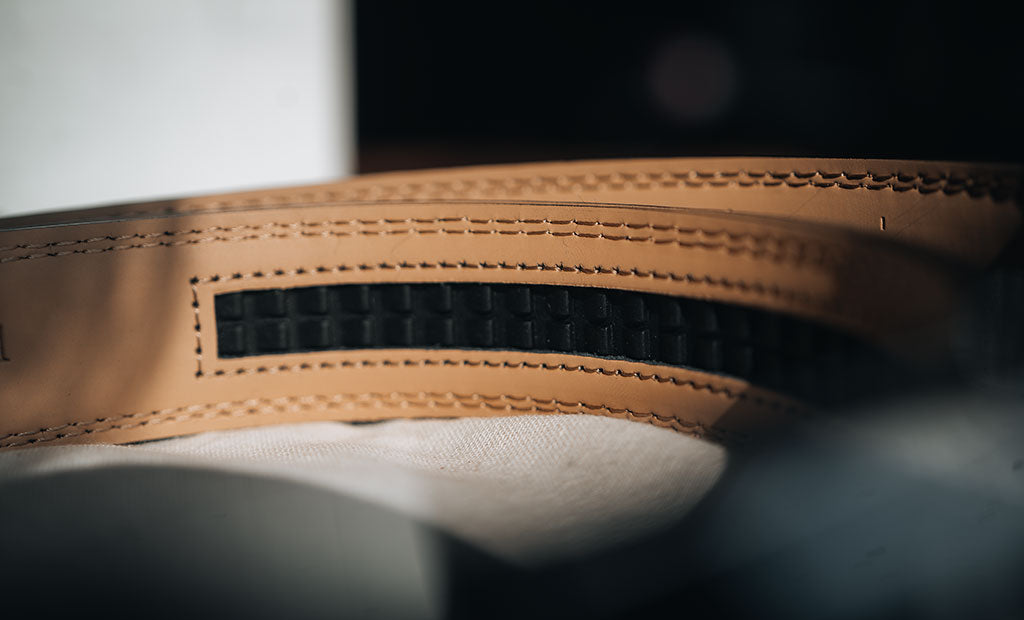
Re-stitching is widely considered a reliable method because it physically holds leather layers together. Instead of relying only on glue, stitching uses strong thread to secure damaged areas firmly. Therefore, when belts stretch during movement, stitched seams remain stable.
In addition, careful re-stitching distributes pressure evenly across the repair line. This balanced support reduces the chance of further tearing. Many repair professionals also use backing materials during leather repair, which strengthens weak sections even more. Consequently, belts repaired through stitching often last longer, especially when used regularly.
Real Usage Trends and Local Insights from Orillia
Repair culture has grown steadily in communities like Orillia. According to recent municipal sustainability reports, Orillia continues to promote waste reduction through reuse and repair programs. Local initiatives have encouraged residents to extend the life of clothing and accessories rather than discard them. Because of this, repair shops have seen a steady interest in restoring leather goods, including belts and bags.
Additionally, Ontario waste reduction programs show that extending product life by repairing items helps reduce landfill waste significantly each year. Therefore, choosing re-stitching instead of replacement supports both durability and environmental responsibility. In everyday use, this trend reflects a growing focus on long-lasting repairs rather than quick fixes.
Factors That Affect Repair Strength and Longevity
Although re-stitching is strong, proper technique still matters. For example, using thick thread designed for leather improves the seam’s strength. Likewise, maintaining correct stitch spacing prevents uneven pressure points. Meanwhile, keeping belts clean and conditioned protects leather from drying and cracking.
Bonding, on the other hand, works best when combined with stitching for added support. In many leather repair projects, professionals use adhesives to hold layers temporarily and then reinforce them with stitching. As a result, the repair becomes more secure and resistant to everyday strain.
Re-stitching is generally stronger than bonding alone for leather belts used daily. While bonding can help with minor damage, stitching provides lasting strength and better resistance to pulling and bending. Moreover, with proper care and skilled leather repair, belts can remain useful for years. Therefore, selecting the right method ensures durability, saves money, and supports sustainable repair habits in the long run.