When Is Laptop Battery Replacement Necessary to Restore Reliable Daily Performance?
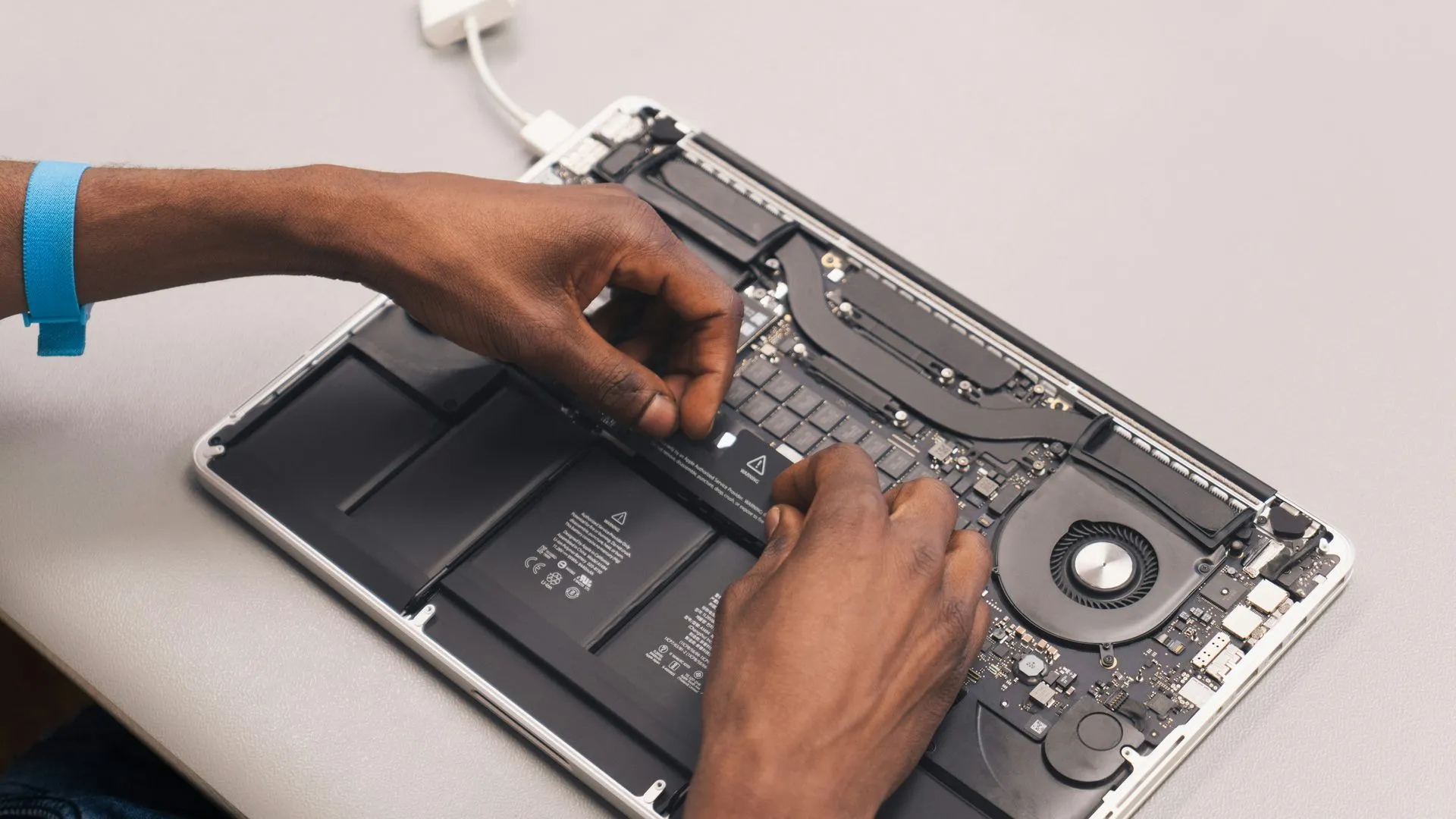
Many users depend on their laptops for work, study, and communication. Therefore, laptop battery replacement becomes important when devices stop holding power for normal use. At first, a battery may last slightly less time than before. However, over time, the decline becomes more noticeable and begins to affect daily tasks. Because of this, recognizing early battery problems helps maintain steady performance.
Recent 2026 device usage data shows that most lithium-ion laptop batteries are designed to last between 300 and 500 full charge cycles, after which their capacity may drop below 80%. As a result, users often experience shorter run times even when the battery appears fully charged. Additionally, global laptop maintenance reports in 2026 indicate that battery-related issues account for nearly 28% of common laptop service requests, making them one of the most frequent hardware concerns.
Common Signs That a Battery Needs Replacement
Battery problems usually show clear signs before complete failure. For example, a laptop that shuts down suddenly despite showing remaining charge often points to battery wear. Similarly, if the device takes much longer to charge than before, the battery may be losing efficiency.
Furthermore, users may notice that the laptop becomes unusually warm during charging. In many cases, this heat signals internal stress within the battery cells. Therefore, ignoring these signs can lead to unexpected shutdowns during important tasks.
In addition, some users mistake charging problems for battery failure. However, a faulty power connection can also cause charging trouble. In such situations, charging port repair may be necessary because loose or damaged ports interrupt steady power flow. According to 2026 hardware service data, about 15% of reported charging failures are linked to worn charging ports rather than the battery itself.
How Delayed Replacement Affects Daily Performance
Waiting too long to replace a weak battery can create several performance issues. For instance, laptops may run slower when the power supply becomes unstable. As a result, tasks such as video calls, document editing, or browsing may feel delayed or interrupted.
Moreover, unstable batteries can cause frequent restarts. This repeated shutdown behavior increases the risk of losing unsaved work. According to 2026 productivity tracking studies, employees using failing batteries reported losing an average of 20–30 minutes per week due to unexpected shutdowns. Therefore, timely laptop battery replacement helps maintain smooth daily operations.
Additionally, older batteries often struggle to support modern software demands. As applications become more advanced, power requirements increase. Because of this, upgrading the battery improves both stability and device efficiency.
Benefits of Replacing Batteries at the Right Time
Replacing an aging battery at the correct stage offers clear advantages. First, users regain consistent power backup, which supports mobility and flexible working habits. Second, a new battery reduces stress on internal components, helping the laptop function reliably for longer periods.
Furthermore, technicians often check related components during servicing. For example, they inspect cables and recommend charging port repair if they find loose connections. According to 2026 repair lifecycle research, devices that receive timely battery replacements and port inspections last nearly 18% longer than those without preventive care. As a result, users experience fewer disruptions and enjoy better overall performance.
Reliable laptop performance depends heavily on stable power supply. However, many users wait until the battery fails completely before taking action. Instead, noticing early warning signs makes a big difference. By choosing professional laptop battery replacement at the right time and checking related components like charging port repair, users can restore dependable performance. In the long run, early maintenance protects both productivity and device lifespan, ensuring smoother daily computing experiences.